
For decades, we’ve been told that cancer is something that “just happens.”
A roll of the dice.
A cruel twist of fate.
A matter of bad genes.
And if you’re like many people — patients, survivors, or those trying to do everything “right” — you may have asked yourself the same questions:
How can a disease this common still feel so out of our control?
How can someone who eats well, exercises, and has no family history suddenly find themselves hearing words no one ever wants to hear?
Here is the part that often gets overlooked.
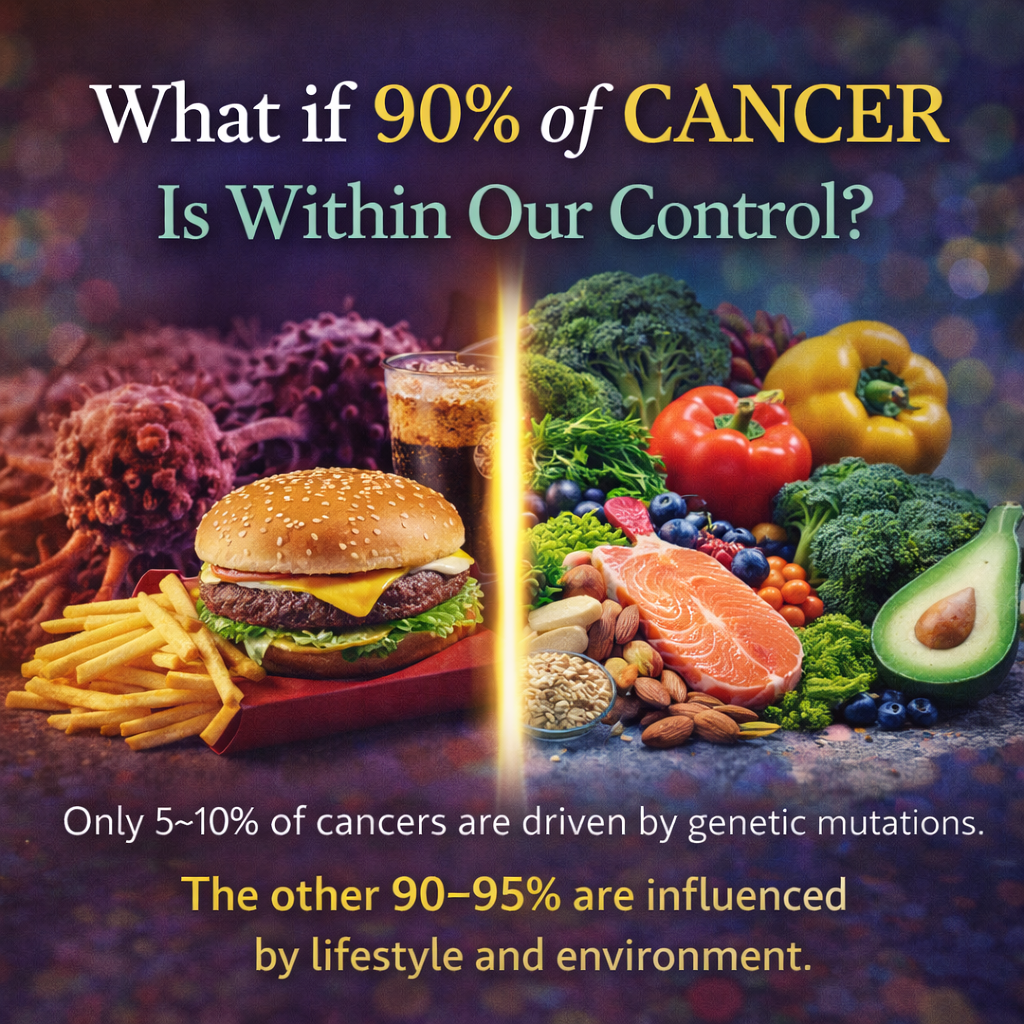
Only around 5–10% of cancers are driven by inherited genetic mutations.
The remaining 90–95% are influenced by environmental and lifestyle factors.
This does not mean cancer is anyone’s fault.
But it does mean our daily choices matter far more than we’ve been led to believe.
The Environment Your Cells Live In
Cancer does not appear overnight.
It develops over years, sometimes decades, shaped by the environment surrounding our cells.
That environment is influenced by:
- Chronic inflammation
- Blood sugar instability
- Hormonal imbalance
- Nutrient deficiencies
- Exposure to toxins
- Poor gut health
- Ongoing stress and lack of recovery
Food, sleep, movement, stress, and metabolic health all play a role in how resilient our cells remain over time.
Nutrition Is Not About Perfection — It’s About Signals
Nutrition doesn’t “prevent” cancer in a simplistic way.
What it does is influence the signals your body sends every day.
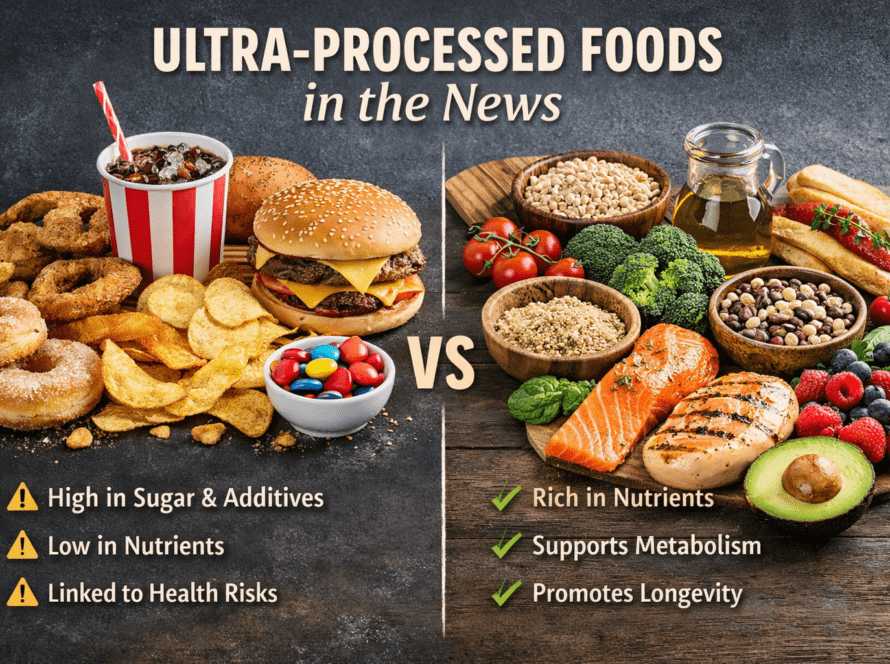
Highly processed foods, excess sugar, alcohol, and chronic under-fueling can increase inflammation and insulin resistance — two key drivers associated with cancer development.
On the other hand, diets rich in:
- Fibre
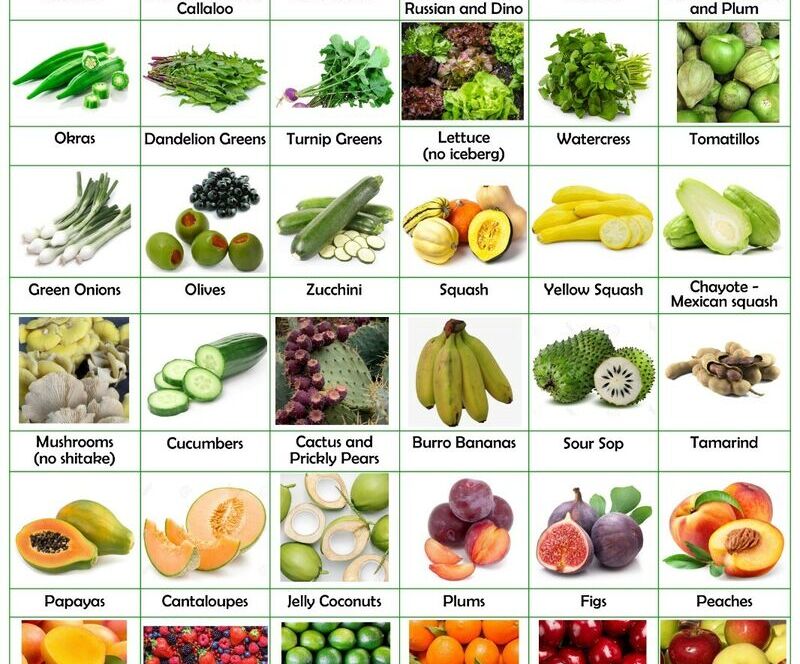
- Colourful plant foods
- Adequate protein
- Healthy fats
- Micronutrients
support detoxification pathways, immune surveillance, hormone balance, and DNA repair.
This is especially important after 40, when metabolic flexibility naturally declines and recovery takes longer.
Lifestyle Is Not a Side Note — It’s the Main Chapter
Movement helps regulate insulin and inflammation.
Sleep supports immune function and cellular repair.
Stress management reduces the hormonal burden that quietly drives disease.
None of these require extremes.
They require consistency, not perfection.
Food for Thought
If most cancers are influenced by lifestyle and environment, then health is not about fear — it’s about empowerment.
Not control.
Not blame.
But informed, supportive choices that stack in your favour over time.
We may not control everything.
But we control far more than we were ever told.
And that knowledge matters.
Warmly,
Milvia Pili, FNTP
Functional Nutritional Therapy Practitioner