

Yesterday was World IBD Day, a day that brings awareness to inflammatory bowel disease, including Crohn’s disease and Ulcerative colitis.
And honestly, I think this is one of those conditions people do not truly understand unless they have lived with it themselves.
Around 540,000 people in the UK and roughly 10 million people worldwide live with IBD, and behind those numbers are people trying to navigate daily life while dealing with pain, inflammation, exhaustion, urgency, discomfort, fear of food, and often the anxiety that comes with never fully knowing how their body is going to behave from one day to the next.
Because when the gut is inflamed, it affects far more than digestion.
It affects energy.
Mood.
Sleep.
Confidence.
Social life.
Relationships.
Work.
Everything.
And this is why I get frustrated when people still underestimate how important gut health really is.
The gut is not separate from the rest of the body. It is deeply connected to the immune system, inflammation, mental wellbeing, hormones, and overall health. When the gut is constantly struggling, the body struggles too.
Now of course IBD is complex, and I would never insult somebody suffering with it by pretending there is one simple answer or one perfect diet that magically fixes everything, because there isn’t.
But at the same time, I also don’t believe diet should be dismissed or treated as though it doesn’t matter.
Because what you put into an already inflamed digestive system absolutely matters.
I’ve spoken to so many people over the years who have normalised bloating, pain, diarrhoea, constipation, food reactions, and discomfort because they have lived with it for so long that it simply became their “normal.”
But constantly struggling after meals is not normal.
Living on highly processed foods, sugar, alcohol, takeaway food, and convenience meals while expecting the gut to heal makes very little sense when you really think about it.
The body is constantly responding to what we repeatedly give it.
And this is where nutrition becomes so important, not as a punishment or restrictive obsession, but as support for the body.
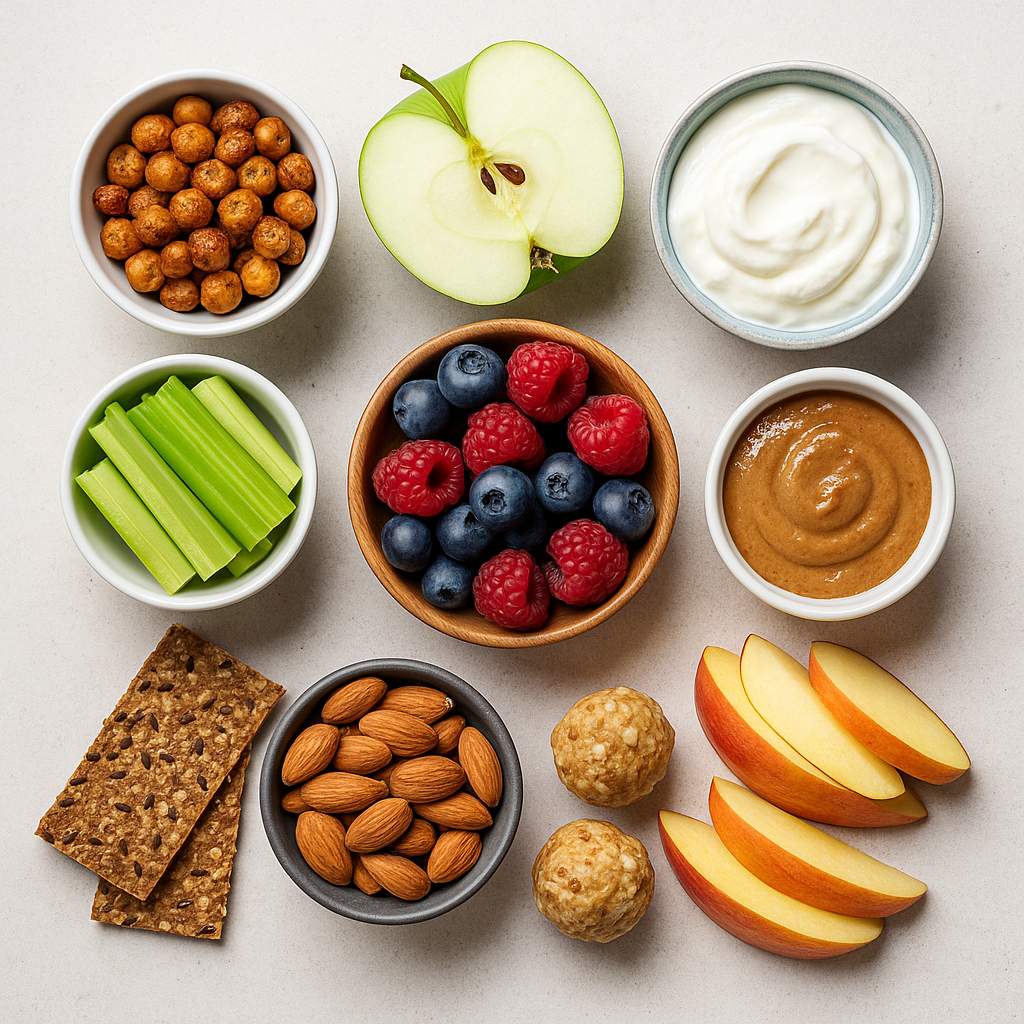
More real food.
More nourishment.
More awareness of what triggers symptoms.
More attention to inflammation.
And very often, less of the foods that irritate an already struggling digestive system.
This is also when a gut test can be a very good idea. Sometimes people spend years guessing, removing random foods, following online advice, or simply accepting symptoms as normal without really understanding what is happening inside their body. Testing can often provide valuable insight into inflammation, imbalances, intolerances, gut bacteria, digestion, and possible triggers, helping people make more informed decisions instead of constantly guessing.
What works for one person may not work for another, which is why listening to your own body matters so much. Some people tolerate certain foods perfectly, while others react immediately. This is why I always come back to the importance of understanding your body instead of blindly following trends or generic advice online.
And then there is stress, which so many people overlook completely. The gut and the brain are closely connected, and anybody who suffers with digestive issues usually knows exactly what stress can do to symptoms.
Again, the body is all connected.
If you are reading this and struggling with digestive symptoms, please don’t just ignore them or accept them as your normal forever. Pay attention to what your body is trying to tell you.
Sometimes the smallest changes, done consistently, can make a much bigger difference than people realise.
And sometimes the first step is simply deciding you deserve to feel better.
Prevention is better than a cure, always.
Milvia Pili
Functional Nutritional Therapist