
Lately I’ve found myself thinking more and more about how disconnected people have become from food and from the idea that what we eat every single day is either helping us or harming us.
And I say this because I look around me and I see patterns that are becoming impossible to ignore.
I have a couple of friends who eat far too much meat. And when I say too much, I mean practically every day. One suffers badly with IBS — you know who you are — and another is currently going through investigations for a possible tumour, and as I write this I am genuinely keeping everything crossed for good news.
This is not me judging anybody. It’s not about perfection, and it’s not about never eating meat again. I’m Sardinian. I was brought up eating everything. But what I was also brought up with was balance, variety, and understanding that meat was never supposed to be the centre of every single meal.
In our house, meat was for special occasions. Christmas. Easter. Birthdays sometimes. Friday was fish day. The rest of the time we ate what people in Sardinia have eaten for generations.
Beans.
Pulses.
Vegetables.
Simple homemade food.
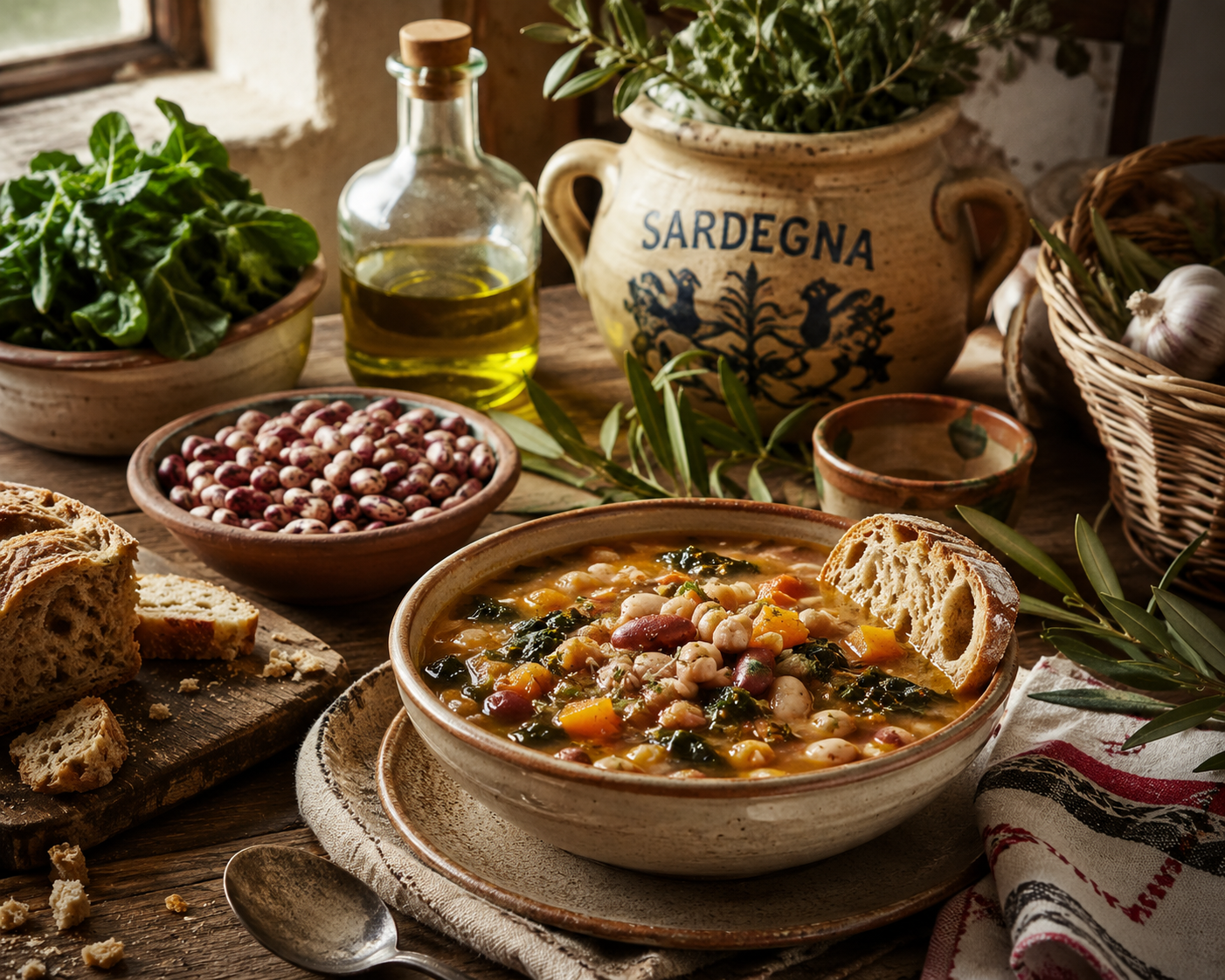
Fava beans, borlotti beans, chickpeas… my mum used to make the most incredible minestrones and stews, hearty meals that nourished you properly and left you feeling satisfied, not heavy and uncomfortable afterwards.
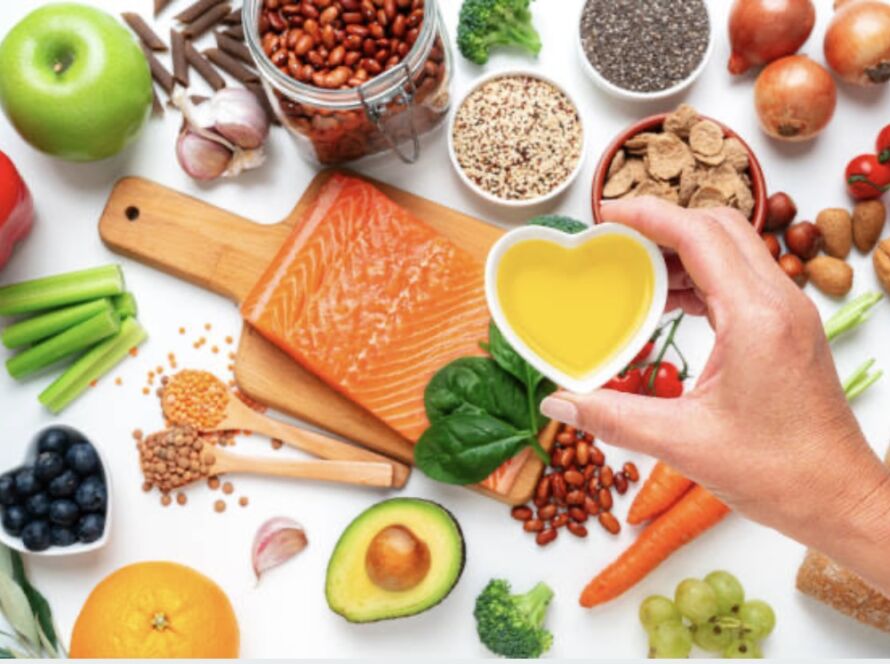
And this is important because beans and pulses are not “poor food,” as some people still think. They are actually the nutritional foundation of traditional Sardinian cuisine, one of the world’s famous blue zones where people are known for longevity and healthier ageing.
For centuries, communities relied on dried legumes as their main source of protein. Not protein shakes. Not ultra-processed “high protein” snacks. Real food.
And honestly, I still eat like this now.
Which is why I genuinely struggle to understand why this message is still not registering when we now know so much more than previous generations ever did.
We know diets richer in plants are linked to better health outcomes.
We know excessive meat consumption, especially processed meat, is linked to inflammation and disease.
We know fibre feeds the gut microbiome.
We know gut health affects everything from digestion to immunity and even mental wellbeing.
And yet many people still build almost every meal around meat as though vegetables are just decoration on the side of the plate.
Then they wonder why they feel bloated, inflamed, sluggish, constipated, exhausted, or unwell.
Again, this is not about becoming extreme or judging people for their choices. It’s about asking a very honest question.
If we already know that eating more plants, more fibre, more legumes, and more real food supports better health, why are so many people still resisting it?
Why are we waiting until there is illness, fear, medication, or bad news before we start paying attention?
The body keeps score.
And what you repeatedly eat matters far more than people realise.
Sometimes the most powerful thing you can do for your health is also the simplest.
Go back to real food.
The kind your grandparents would recognise.
Prevention is better than cure always
Milvia Pili
Functional Nutritional Therapist