
Sardinia is one of the few places in the world known for an unusual number of people living to 100. Everyone asks what the secret is. There isn’t one secret, but there are four foods on the Sardinian table that science is taking seriously, and none of them comes in a packet with a celebrity on it.
Let me be clear first. Nobody can say that one food slows down your cells. What research can show is how these foods affect processes linked with ageing, such as oxidative stress, inflammation and nutrient absorption. Here is what we know about each
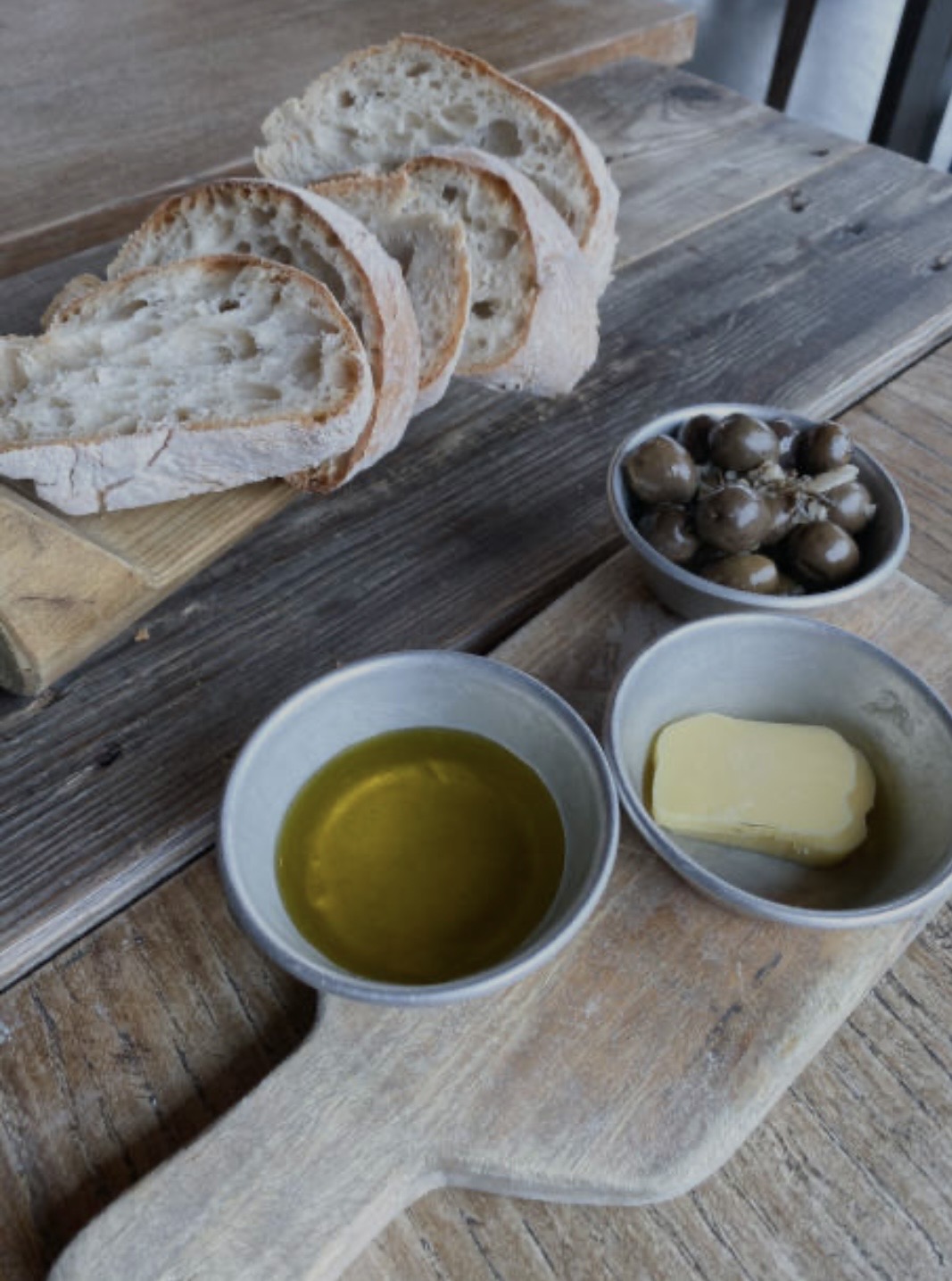
Olive oil. This is the one with the strongest evidence. Good olive oil is rich in polyphenols, especially hydroxytyrosol. European regulators have approved a health claim that olive oil polyphenols contribute to the protection of blood fats from oxidative stress, which needs at least 5mg of hydroxytyrosol and its derivatives per 20g of oil, roughly a tablespoon and a half. The same assessment noted that some oils contain too little to reach that amount. So quality matters. A fresh, bitter, peppery extra virgin oil is a very different thing from a cheap, old, refined one.
Goat’s and sheep’s milk. Sardinians rely on goat’s and sheep’s milk and their cheeses, rather than cow’s milk. They are often described as easier to digest, and some research suggests anti-inflammatory benefits and a cholesterol-lowering effect. I’ll be honest: the evidence here is more modest, and most of it is observational. It’s a good food, not a magic one.
Sourdough. Traditional sourdough ferments slowly. That process breaks down phytic acid, which otherwise binds minerals like iron, zinc and magnesium and stops you absorbing them. Some studies also show a lower blood sugar response compared with ordinary yeasted bread, though a recent systematic review found the evidence in healthy people is limited. And remember, real sourdough still contains gluten, and many supermarket “sourdough” loaves are not made the slow way.
Wild greens. Foraged plants are a long tradition in Sardinian eating, and wild greens tend to be rich in micronutrients and plant compounds. This is the area with the least direct human research, so I won’t claim more than that. But it fits what we know about variety and plant diversity feeding a healthy gut.
So what is the real lesson? It’s the whole pattern: plant-rich food, slow preparation, quality fats, fermented foods and dairy in moderation. Not one hero food. That’s exactly what I grew up around.
Want to bring some of the Sardinian table into your own week, whatever your budget or where you live? Get in touch and we’ll work out where to start.
Prevention rather than cure.
Milvia Pili
Functional Nutritional Therapist