
From October to early March, the sun in the UK is too weak for your skin to make vitamin D. That is the official advice, and I think it is the most overlooked winter habit I come across.
I was born in Sardinia where the sun is strong for much of the year. Britain in November is a different story. The NHS says that from late March or early April to the end of September, sunlight usually gives most people enough vitamin D. From October to early March, everyone should consider a daily supplement. The amount is 10 micrograms (400 IU) a day for adults.
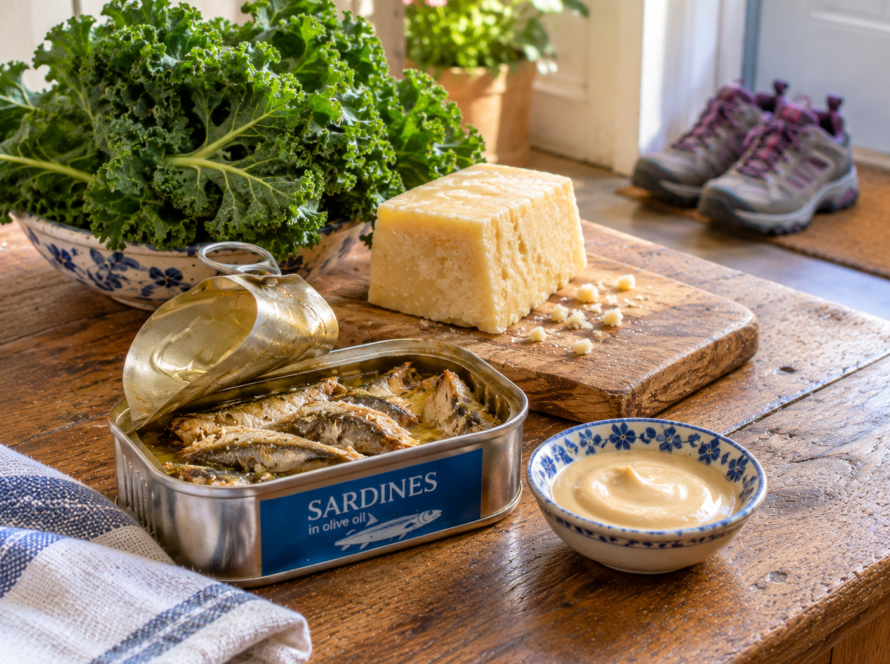
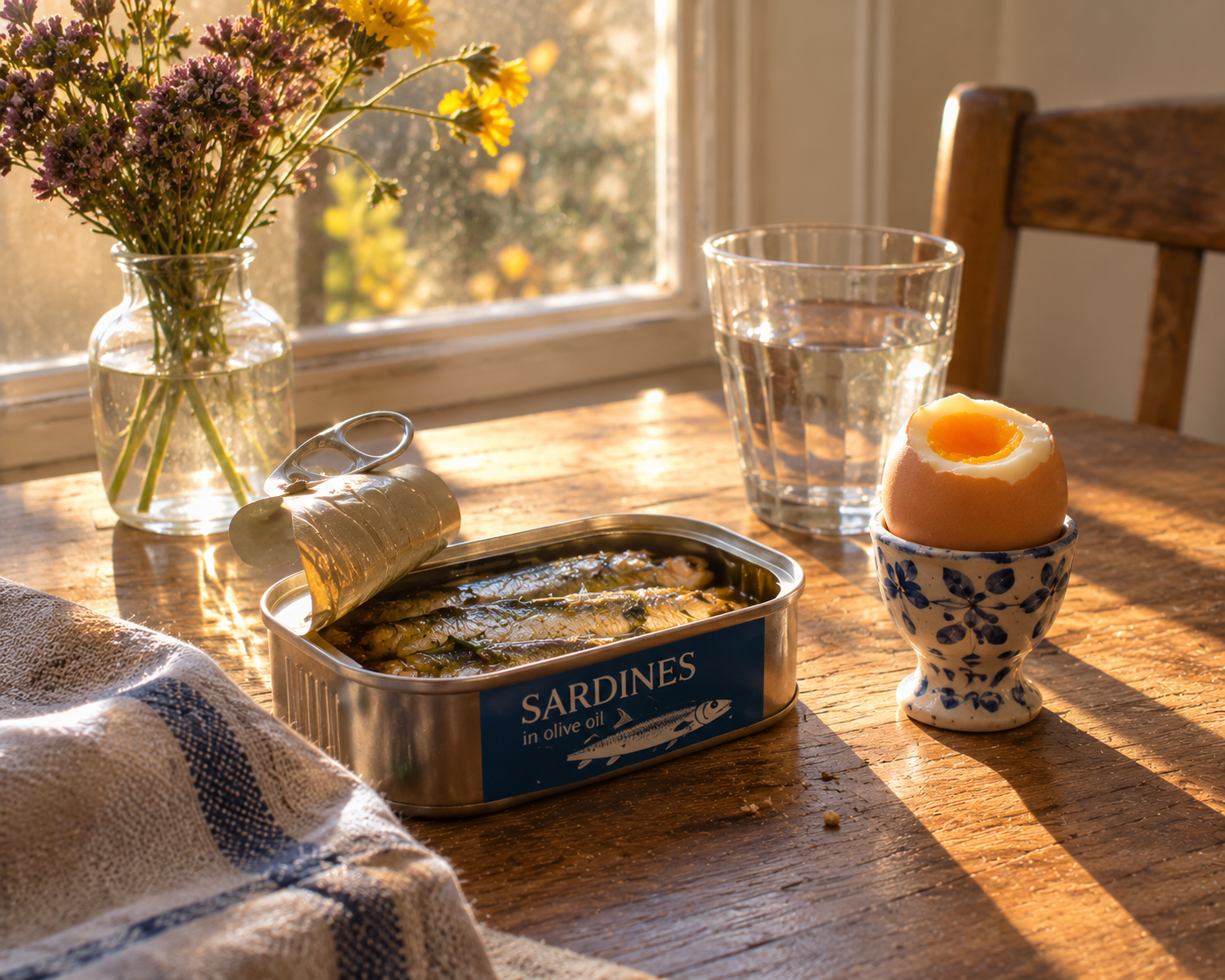
Food helps, but it rarely covers it on its own. Oily fish such as sardines, salmon and mackerel are good sources, as are egg yolks and red meat. Some spreads and cereals are fortified. UK cows’ milk generally isn’t a good source, because it isn’t fortified.
Now, the longevity angle, because I know you have seen the headlines. In 2025, a trial of 1,054 older adults found that 2,000 IU of vitamin D3 a day for four years slowed the shortening of telomeres, the protective caps on our chromosomes, compared with placebo. The researchers described it as the equivalent of nearly three years of ageing. Omega-3 had no such effect in the same study.
I want to be honest about what that means. Telomere length is a marker of ageing, not a measure of how long or how well you will live. The lead author said further research is needed before vitamin D can be considered a way to slow ageing. So I am not telling you it is an anti-ageing pill. I am telling you it is a sensible winter basic, and the trial is a reason to take it seriously.
Here is what I would do:
- Take the NHS-recommended 10 micrograms from October to early March, and don’t go above 100 micrograms (4,000 IU) a day.
- Eat oily fish once a week, as we talked about last week.
- Get outside in daylight whenever you can. It is good for you, even if it won’t make vitamin D in winter.
- If you rarely go outdoors, cover most of your skin when you do, or have dark skin, the NHS advises taking it all year round.
- If you have a medical condition or take medication, check with your GP first.
Not sure whether your winter routine is giving you what you need? Get in touch and we’ll look at it together and build a plan that fits your life.
Prevention rather than cure.
Milvia Pili
Functional Nutritional Therapist