
Lately, the word is being used to describe everything from facial treatments and supplements to vitamin drips and biohacking protocols. It appears in marketing campaigns, clinic names, and social media captions, often alongside promises of youth, optimisation, or reversal of ageing.
Words matter.
They shape expectations.
They influence where time, money, and energy are invested.
For me, human longevity is not about living longer at all costs. It is about healthspan — how long we live well. How many years we remain mobile, independent, mentally clear, and connected. Longevity without quality is not success.
True longevity is built quietly, over decades, through prevention-first behaviours. How we eat most days. How we move our bodies regularly, not intensely but consistently. How we sleep, manage stress, and maintain meaningful relationships. These are not short-term interventions. They are long-term foundations.
This is especially true after 40, when the body becomes less forgiving of extremes and quick fixes.
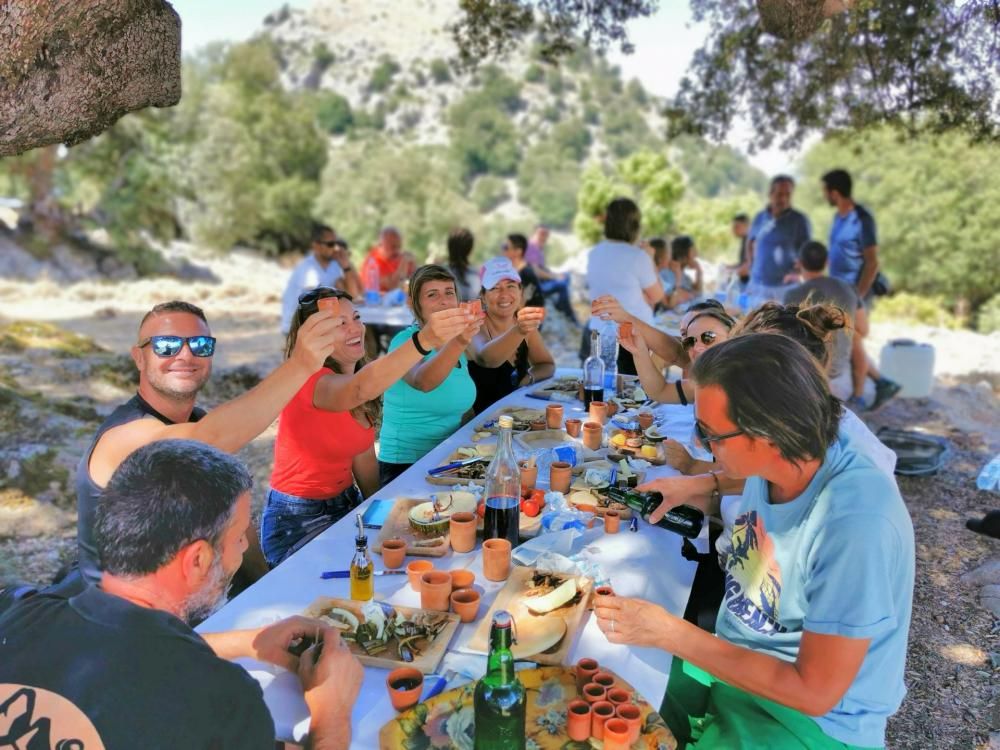
If we look at places like Sardinia, one of the world’s original Blue Zones, we see this clearly. Longevity there is not packaged, measured in biomarkers, or sold as a service. It is embedded into daily life.
Food is simple, traditional, and largely unprocessed. Meals are shared. Movement is natural and constant. Community is strong. Purpose is maintained well into older age. These habits are passed down and lived, often without anyone ever using the word “longevity” at all.
That is why I am cautious when longevity becomes just another label.
When the term is attached primarily to aesthetic treatments or rapid interventions, we risk reducing something profound into something superficial. Longevity should not be about looking younger for a season, but about functioning well for a lifetime.
If we choose to use the word, it should mean something deep, measurable, and sustainable.
For anyone building a longevity-focused initiative — whether in government, corporate wellbeing, healthcare, or community health — there is a simple but powerful question worth asking:
Are we selling short-term procedures, or are we designing environments, systems, and habits that people can realistically sustain for years?
Because longevity is not something we purchase.
It is something we practise.
Every day.
Warmly,
Milvia Pili, FNTP
Functional Nutritional Therapy Practitioner