

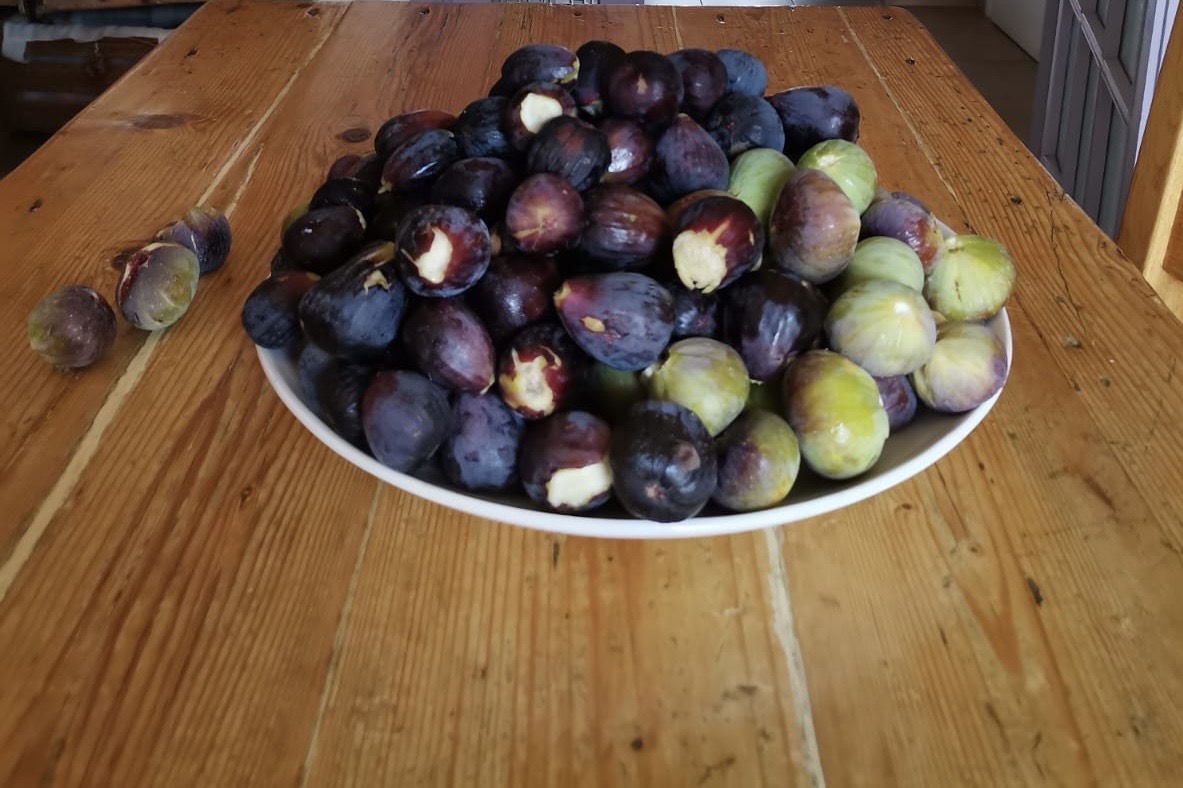
Growing up in Sardinia, my parents grew almost everything we ate. Pomegranates in autumn. Oranges, lemons, and mandarins through winter. Cherries at the end of May, then figs, apricots, peaches, and prunes as summer went on. We ate what was in season, because that was genuinely the only option.
I didn’t think of it as a philosophy at the time. It was just how food worked.
It’s only looking back, and looking at what most people eat now, that I’ve realised how much that shaped my health, and how different it is from the way most of us eat today.
Walk into any supermarket now and you can buy strawberries in December, tomatoes in February, cherries whenever you like. It feels like progress. In some ways it is. But there’s a quiet cost to it that almost nobody talks about.
Produce that’s out of season locally has usually travelled a long way to reach you, and it’s often picked before it’s actually ripe so it survives the journey. That matters more than people think, because a lot of a fruit or vegetable’s nutrient content, its vitamin C, its antioxidants, its polyphenols, develops in the final stretch of ripening. Pick it early, ship it for days, and you’re eating something that looks the part but has quietly lost a good portion of what made it worth eating in the first place.
This isn’t a small detail. These are exactly the compounds that help the body manage inflammation and oxidative stress, the two processes sitting behind an enormous amount of what we call ageing.
There’s another layer to this that people rarely think about. Eating seasonally naturally builds in variety, cherries in early summer, figs later on, citrus through winter, rather than reaching for the same handful of things all year round because they happen to always be there. That rotation matters more than it sounds like it should. Your gut microbiome thrives on a changing range of fibres and plant compounds, not the same inputs on repeat, and microbiome diversity is increasingly linked to better metabolic health, stronger immune regulation, and even mood. So the variety that comes with seasonal eating isn’t incidental. It’s doing something.
So when people ask me what they can do for healthy ageing, one of the most overlooked answers is simply this: eat what’s actually in season, ideally grown close to where you live.
It’s not about giving up variety. It’s about getting it the way my family did, cherries because it was cherry season, not because they were available year-round and slightly less like themselves.
This is exactly the kind of thing I look at with clients, not just what they’re eating, but where it’s actually come from and how much of its original value has survived by the time it reaches their plate. Most people are eating far less nutrient-dense food than they realise, and most have no idea until someone actually looks.
If you’d like a proper look at what’s really on your plate, get in touch and let’s start there.
Prevention rather than cure.
Milvia Pili
Functional Nutritional Therapist