
A few years ago, I was helping a woman who had been diagnosed with breast cancer.
She wanted to improve her diet as part of looking after her health during a very difficult time.
As I always do with a new client, I started by going through her medical and nutritional questionnaire.
I remember coming across one particular answer that made me smile.
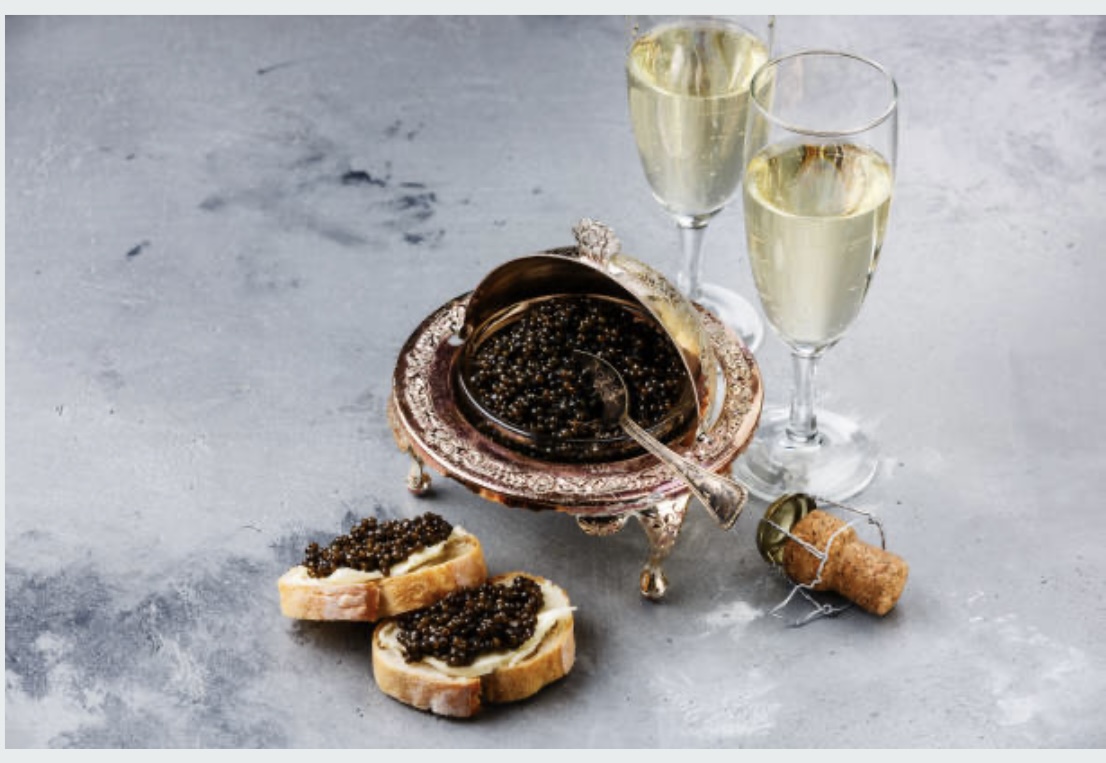
Breakfast: caviar and champagne.
Not for a special occasion. Not for a birthday or Christmas.
This was her regular breakfast!
Now, I have nothing against enjoying something special occasionally. Life is there to be enjoyed, after all.
But when something becomes a daily habit, I want to understand what else might be missing from the diet.
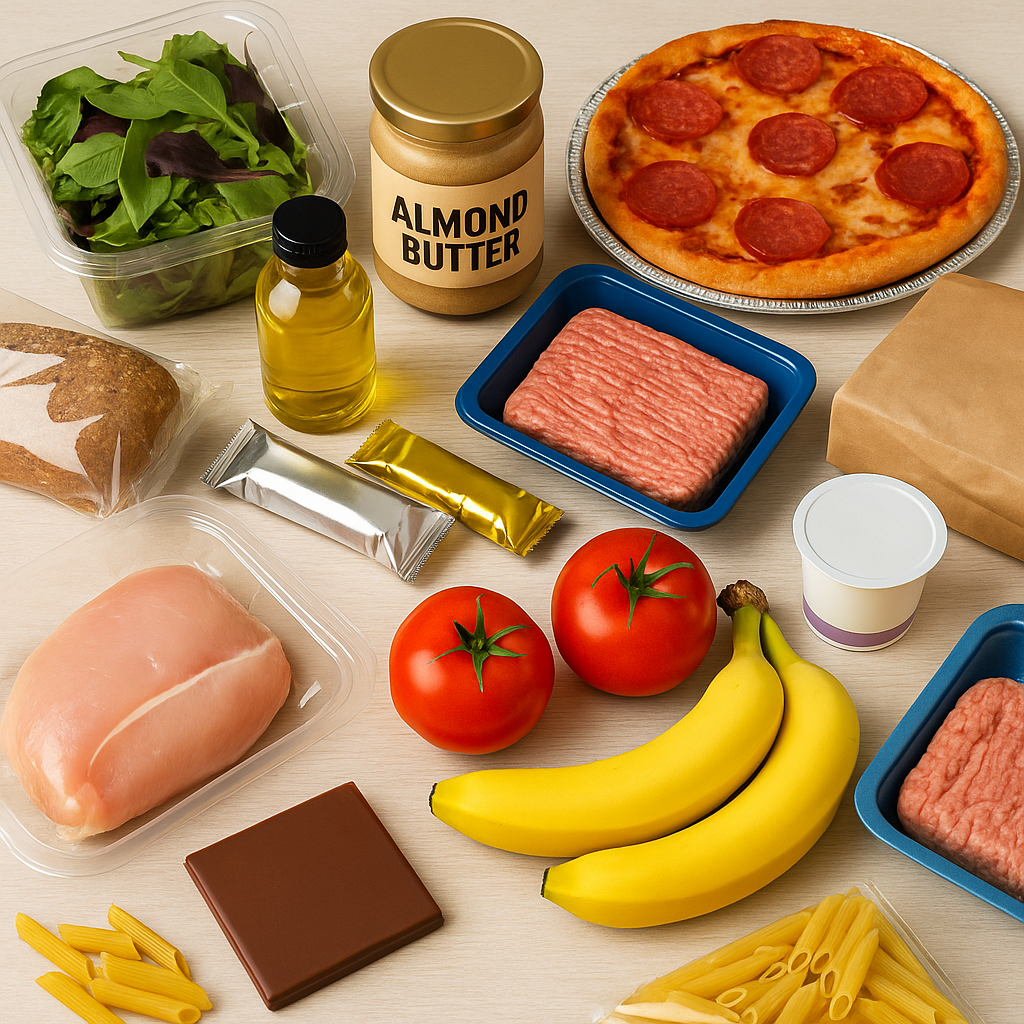
We worked together to make changes, reducing foods that were not supporting her nutritional needs and introducing more nourishing, everyday foods.
Real food. Vegetables, fruit, fibre, quality protein and the nutrients her body needed.
Then came something I will never forget.
She had undergone DNA testing, and when the results came back, she was very upset.
The test had not identified any of the inherited cancer-associated mutations it screened for.
She struggled to understand how she could have developed breast cancer without an inherited genetic predisposition being identified.
And this is where I believe we need to have a much bigger conversation about health.
You are not simply your DNA
Our genes matter. Of course they do.
Some people inherit genetic changes that increase their risk of certain cancers. Others develop cancer without any known inherited predisposition.
But our genes are not the whole story.
Ageing, environmental exposures, lifestyle and biological processes all influence our health. And sometimes cancer develops without a clear, identifiable cause.
We cannot assume that someone’s lifestyle caused their cancer. That would be unfair and scientifically incorrect.
What we can say is that the choices we make every day can influence our risk of developing certain diseases and our health over time.
And that is something worth thinking about.
Your body doesn’t send you a daily report
When you eat a nutritious meal, you don’t immediately see what is happening inside your body.
When you go for a walk, you don’t receive a message saying, “Thank you, that was good for your heart.”
When you sleep well, you don’t wake up with a certificate telling you how much your body has benefited.
But those habits matter.
Every nutritious meal contributes to your overall diet.
Every walk supports your physical health.
Every good night’s sleep gives your body an opportunity to rest and recover.
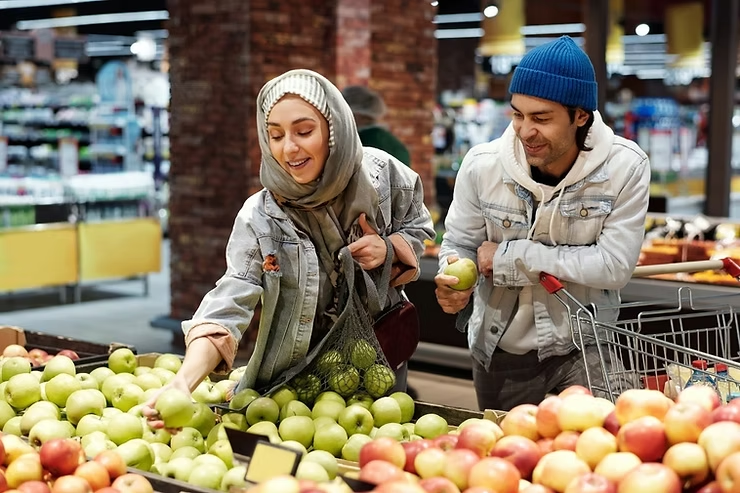
And every time you choose real, nourishing food over convenience food, you are making a choice that can support your long-term wellbeing.
Of course, an occasional indulgence is not going to undo years of healthy habits. Nor does a perfect diet guarantee that you will never become ill.
It is what we do consistently that matters.
What Sardinia taught me about prevention
Growing up in Sardinia, I didn’t hear people talking about longevity programmes, biohacking or anti-ageing routines.
We simply lived.
We ate home-cooked food, walked, spent time outdoors, helped our families and remained connected to our communities.
Nobody was counting steps or analysing every meal.
Many of those everyday habits are now recognised as important contributors to healthy ageing.
And this is what I try to explain to my clients.
You don’t have to wait until something goes wrong before you start looking after yourself.
You can begin today.
Not because you can control everything that happens to your health. You cannot.
But because there is so much you can do to give yourself a better chance of living a healthier life.
Your future health deserves your attention today
I often think about that client and how distressed she was by her DNA results.
Her experience reminded me that we need to understand the difference between genetic risk and the many other factors that influence disease.
We cannot rewrite the DNA we inherited.
But we can make choices about how we nourish our bodies, how we move, how we sleep and how we live.
And those choices deserve our attention long before illness appears.
You are more than your DNA.
Your health is not entirely in your hands, but many of your daily choices are.
So, here is my question to you:
What are you choosing to do for your future health today?
Prevention rather than cure.
Milvia Pili
Functional Nutritional Therapist
Founder, Blue Zone Nutrition