

International Men’s Day was on 19 November. So let’s talk about something many men would rather avoid: that in England, men die almost four years earlier than women.
That figure comes from the government’s first Men’s Health Strategy, which also says that suicide is one of the biggest killers of men under 50, and that three-quarters of all suicides are men. The strategy aims to reduce the stigma and the barriers that stop men from seeking help.
I’m a nutritionist, so I can’t fix all of that. But I can tell you what I would do, in four parts: your plate, your pace, your people and your voice.
Your plate
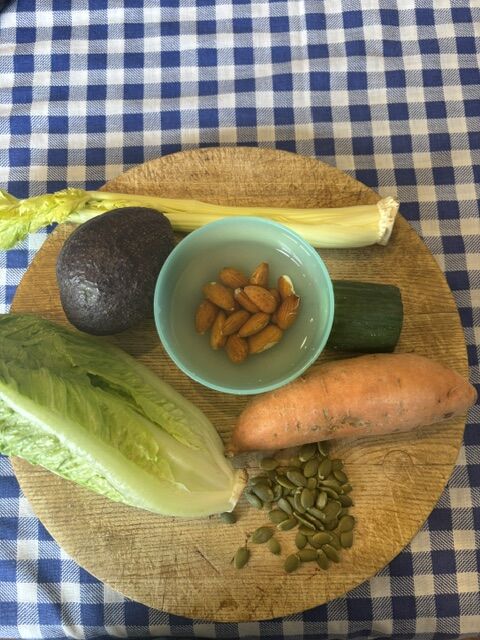
A balanced diet comes first, and supplements second. Build your meals around pulses, vegetables and seasonal greens, with oily fish, nuts and wholegrains, and olive oil as your main fat. That’s the Sardinian way, and it needs no special products.
Then, where there are gaps, here is my honest view of each supplement on your list:
- Omega-3 (EPA and DHA). Oily fish such as sardines, mackerel and salmon is the best source, and the guidance is two portions of fish a week, one of them oily. I’d choose the fish over capsules. In the 2025 telomere trial, omega-3 had no effect.
- Vitamin D. The NHS says everyone should consider 10 micrograms a day from October to early March, and never more than 100 micrograms.
- Magnesium. Men aged 19 to 64 need 300mg a day. Good sources are nuts, spinach and wholemeal bread. Up to 400mg a day from supplements is unlikely to cause harm, and more can cause diarrhoea.
- Zinc. Men need about 9.5mg a day, from meat, shellfish, bread and cereals. Don’t take more than 25mg a day unless a doctor advises it, as too much reduces copper absorption and can lead to anaemia and weaker bones.
- CoQ10. The body makes its own. I’d be the most cautious about this one. The British Heart Foundation says current evidence doesn’t support it for statin-related muscle pain, and the benefit in heart failure is unclear, so it isn’t in UK guidelines. It may interact with warfarin and blood pressure medicines. Talk to your GP first.
Your pace
The UK Chief Medical Officers recommend at least 150 minutes a week of moderate activity, plus strength work on two days. You don’t need a gym. A brisk walk counts.
Your people
A 2010 review of 148 studies found that people with stronger social relationships had about a 50% higher likelihood of survival. Call a friend, share a meal, and join something.
Your voice
This is the hard one. More and more well-known men are speaking openly. Stephen Fry has talked publicly about his prostate cancer, and Sir Chris Hoy shared his cancer diagnosis, which started a national conversation about screening. If they can say it, so can you.
The things men avoid are often the ones that most need saying:
- A low mood, or stress that won’t lift. Tell someone. Don’t wait until it’s a crisis.
- Changes when you go to the loo, such as going more often, including at night, or blood in your urine.
- Difficulty getting or keeping an erection.
- Any lump or swelling.
Men can ask a GP about a PSA test for prostate cancer. Routine PSA testing isn’t offered on the NHS, and the test isn’t perfect, so the GP will talk through the pros and cons with you. But you can ask.
If you are struggling, you are not weak and you are not alone. Talk to your GP, or call the Samaritans free on 116 123, at any time. In an emergency, call 999.
Want a longevity plan that fits your life, your plate and your health? Get in touch and we’ll build one together.
Prevention rather than cure.
Milvia Pili
Functional Nutritional Therapist