
In Sardinia we never bought “superfoods”. We picked them, often from between prickly pear bushes, and if the thorns got us, we put on a plaster and carried on. The reward was always worth it.
Growing up, we picked wild asparagus that grew between the prickly pears, wild garlic and wild fennel. We picked wild chard, which went into minestrone and other soups and was part of the filling for ravioli. Then there were wild artichokes, small and thorny and very tricky to pick. If you survived the thorns and the prickly pear bushes, they were delicious. I also picked mushrooms with my mother and her friends, who knew every type.
Does this matter for how we age? Let me be honest about the science. A study of greens in Crete measured 48 wild and 6 cultivated greens and found that most of the wild ones were richer in vitamin C, vitamin K1, carotenoids and polyphenols. That tells us what is in the leaves. It does not prove that eating them slows ageing. What it does show is why wild plants fit a longevity diet: more variety, more polyphenols, more bitter greens, and a different plate every season. And foraging gets you walking, bending and outdoors, which helps too.
The point I most want to make is that you don’t need Sardinia. There are lots of wild greens you can pick in the UK. Here is a guide to what’s around, by season. Availability varies by region and year.
- Spring: wild garlic (leaves only, roughly February to April), nettles (March to September), chickweed, dandelion, sorrel, garlic mustard, goosegrass and mallow.
- Summer: nettles, chickweed, dandelion and, on the coast, sea beet, the closest UK relative of my Sardinian wild chard.
- Autumn and winter: wild garlic and nettles again, plus chickweed, alexanders and navelwort in the colder months.
In the UK I have picked wild garlic, nettles, blackberries and elderflower, which I use in cooking and used to infuse my water with. With the help of a friend who is a chef and loves mushrooms, I have picked mushrooms here too, including porcini.
Then there are the wild fruits and berries:
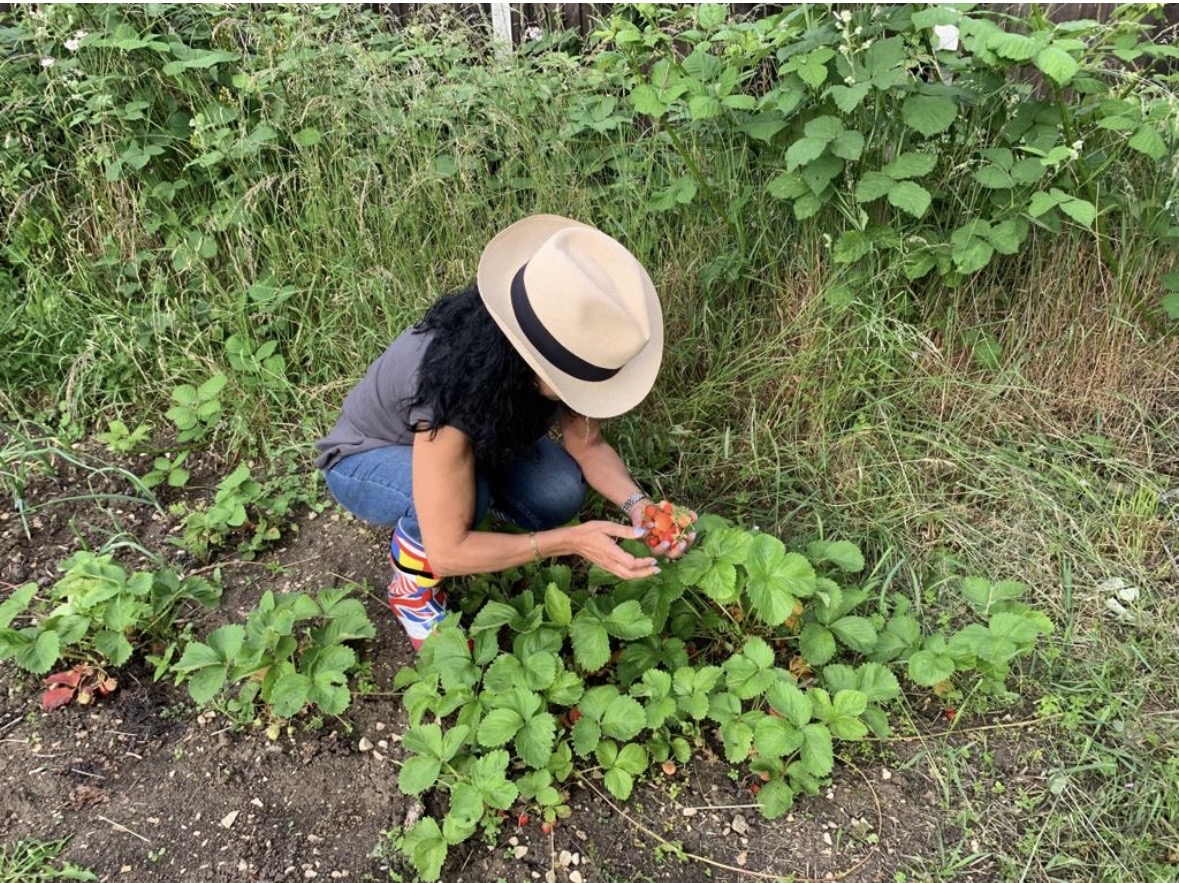
- Summer berries: wild strawberries (from May), blackberries (from July), dewberries, redcurrants, cherry plums (August) and, on some heathland, bilberries. Crowberries grow on upland moors, so not near London.
- Autumn: blackberries, crab apples, hawthorn berries, sloes, rosehips, hazelnuts, chestnuts and walnuts. Elderberries are for cooking only.
Now a word of caution. Only pick what you can identify with complete certainty, because some wild plants have toxic lookalikes. Wild garlic, for example, can be confused with lords-and-ladies, so check by smell and with a good guide. I have only ever picked mushrooms with people who knew every type, and that is the way to learn. Some species are fatal, so I would never tell anyone to start from a blog post. In Epping Forest, fungi are protected by byelaws and the City of London has issued fines, and many parks and nature reserves ban foraging altogether, so look for signs. Picking wild fruit, flowers, leaves and fungi for your own use is generally not theft, but uprooting wild plants is generally an offence. Avoid roadsides and berries below knee height, and wash everything.
Compare that with a powder in a pouch. The wild stuff costs nothing, gets you outside, and teaches you the seasons.
Want to bring more wild and seasonal greens into your week, even from a supermarket? Get in touch and we’ll plan it together.
Prevention rather than cure.
Milvia Pili
Functional Nutritional Therapist