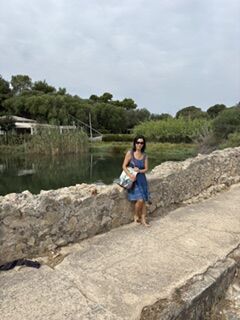

Every Sunday when I was little, we’d travel up into the mountains in Sardinia to collect spring water. My parents filled their bottles while my sister and I picked wild strawberries. It was a family routine, and I never questioned it.
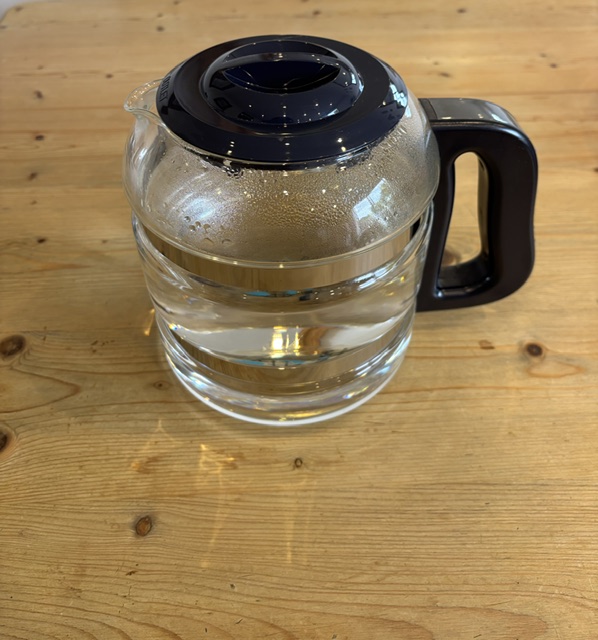
Decades later, I distil my own water. I didn’t set out to end up here, but I’ve thought about water my whole life, and most people barely think about it at all.
That’s strange, when you consider it. People put real effort into what they eat. They read labels, buy organic, cut things out. Then they drink several glasses of water a day without a second thought about what’s in it.
Let me be clear first: tap water in the UK is safe, and I’m not telling anyone to stop drinking it. This is my own choice, and here’s why I made it.
My local water is very hard. It passes through chalk and limestone before it reaches me, so it carries a lot of calcium, which is why kettles and taps end up coated in limescale. It also has chlorine added during treatment to keep it hygienic, which is sensible, but I don’t want to taste it in every glass. And trace amounts of PFAS, the synthetic “forever chemicals”, have been detected in some supply zones. They’re within current legal limits, but I’d rather not add to my exposure when I can avoid it.
Distilling gives me control. I know exactly what I’m drinking, and I decide what goes back in. Distillation strips out everything, so I add minerals back myself, using pH drops and a little pink salt.
There’s a longevity point here too, and it applies whatever water you drink. As we age, our sense of thirst weakens, and the body holds less water overall, so it’s very easy to be mildly dehydrated without feeling it. In older adults, low fluid intake is linked with constipation, urinary tract infections, dizziness, and extra strain on the kidneys. A large study from the US National Institutes of Health also found that people whose blood sodium sat at the higher end of the normal range, a sign of lower hydration, tended to show signs of faster biological ageing. That’s an association, not proof that drinking more water slows ageing, but it’s one more reason I don’t treat hydration as an afterthought. The best water is the water you’ll actually drink enough of, so I flavour mine with elderflower or mint from my patio, nothing manufactured.
This is the kind of detail I look at with clients. Not only what’s on the plate, but what’s in the glass, and whether small daily habits are helping or quietly working against them.
If you’d like a proper look at the whole picture, get in touch and let’s start there.
Prevention rather than cure.
Milvia Pili
Functional Nutritional Therapist