

Can I ask you a question?
Most of us pay into a pension every month to prepare for retirement.
But are you paying into your muscles?
It sounds like a strange question, but your muscles are your real pension.
The money in your bank account might pay the bills, but it won’t help you get out of a chair, carry your shopping, climb the stairs or stay independent as you get older.
That job belongs to your muscles.
When people think about longevity, they often focus on supplements, scans or the latest anti-ageing breakthrough.
Yet one of the strongest predictors of healthy ageing is something much simpler.
Maintaining your muscle.
From around the age of 30, we gradually start losing muscle mass unless we actively do something about it.
Think of exercise, especially strength training, as making regular deposits into your muscle pension.
Every walk.
Every squat.
Every resistance exercise.
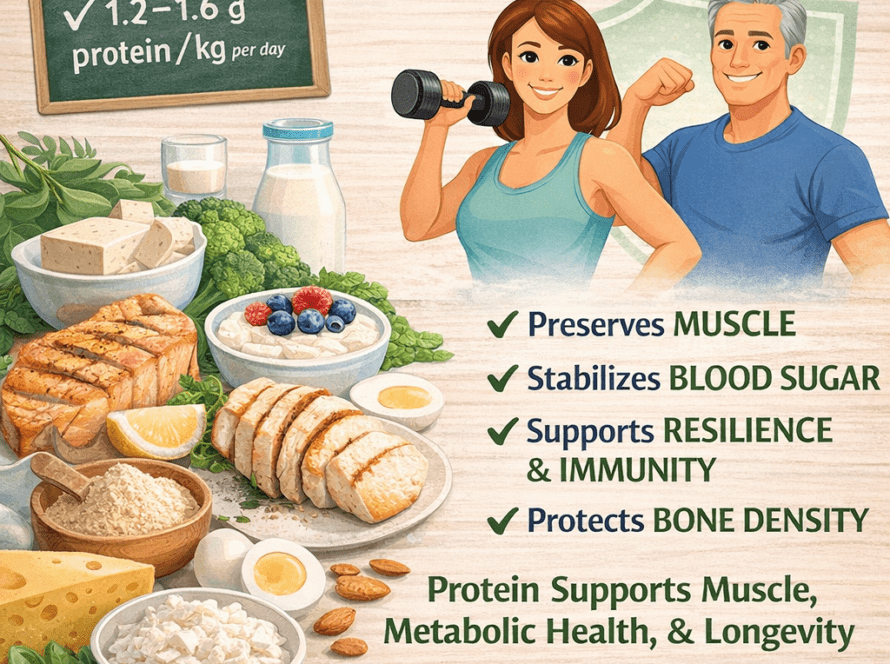
Every protein-rich meal.
They’re all investments in your future self.
The stronger your muscles, the easier everyday life becomes.
They help protect your bones, improve your metabolism, reduce the risk of falls and help you remain independent for longer.
I do practise what I preach.
As most of you know by now, I walk every day and I also do a bit of resistance training.
At 67, I understand better than ever that independence isn’t a luxury.
It’s a necessity.
I don’t exercise because I want to look younger.
I exercise because I want to keep doing the things I love for as long as possible.
I want to be able to walk.
Carry my shopping.
Travel.
Explore.
And live independently.
That’s why I invest in my muscle pension every single week.
Unlike a financial pension, this is one investment that starts paying dividends long before retirement.
The longevity lesson today is this.
The strongest pension you can build is the one that keeps you moving.
So let me leave you with one question.
What are you doing today to pay into your muscle pension?
Prevention rather than cure.
Milvia Pili
Functional Nutritional Therapist