
If I asked you whether you wanted to live to 100, you might hesitate.
Some people immediately say, “No thank you.”
But then I ask a different question.
Would you like to reach 90 and still be able to walk without assistance?
Would you like to remember your grandchildren’s names?
Would you like to travel, cook, garden, laugh with friends and remain independent for as long as possible?
The answer is almost always yes.
The truth is, people don’t fear getting older.
They fear becoming dependent.
That is why I spend so much of my time talking about longevity.
Longevity is not about chasing an extra ten years at the end of life.
It is about protecting the quality of the years we already have.
As someone born and raised in Sardinia, one of the world’s original Blue Zones, I grew up surrounded by people who showed me what healthy ageing looked like.
They didn’t count calories.
They didn’t buy expensive supplements.
They didn’t spend hours in the gym.
They lived simply.
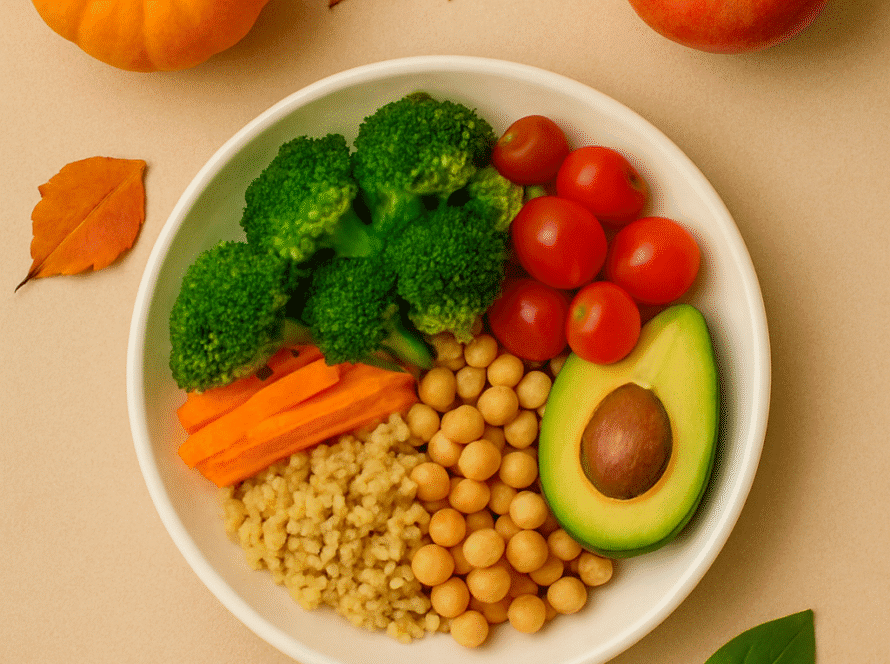
They ate mostly plants.
Beans were a staple, not an occasional food.
Extra virgin olive oil was used every day.
Meals were cooked from scratch and shared with family.
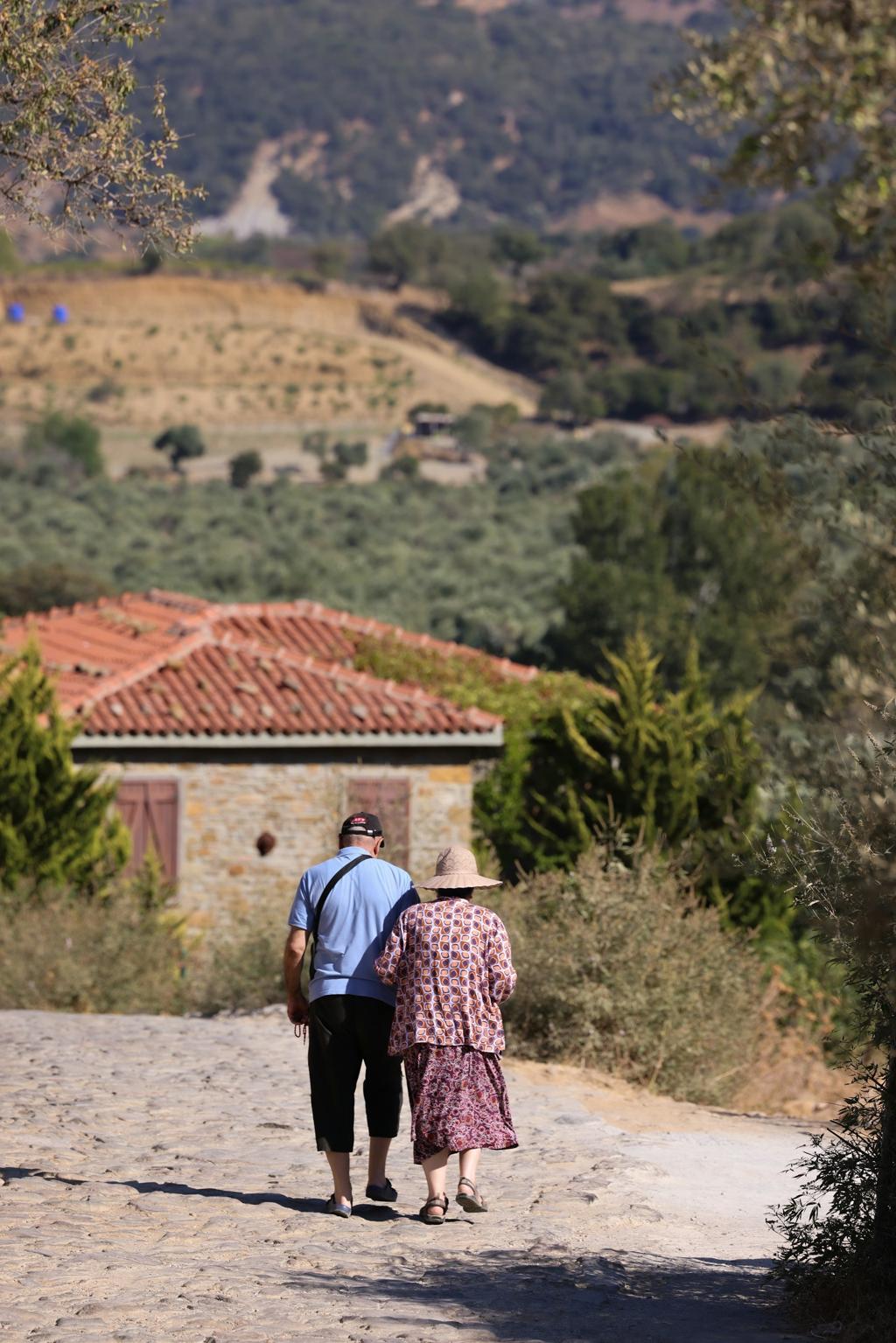
They walked because it was part of life, not because a smartwatch told them to.
They had purpose. They stayed connected to their communities. They laughed, worked, rested and kept moving.
Looking back, I realise they weren’t trying to live longer.
They were simply living well.
Today, we often make longevity seem complicated.
We search for miracle pills, anti-ageing treatments and the latest trends on social media.
Yet the strongest evidence still points us back to the basics.
Eat real food.
Move every day.
Sleep well.
Manage stress.
Stay socially connected.
Keep learning.
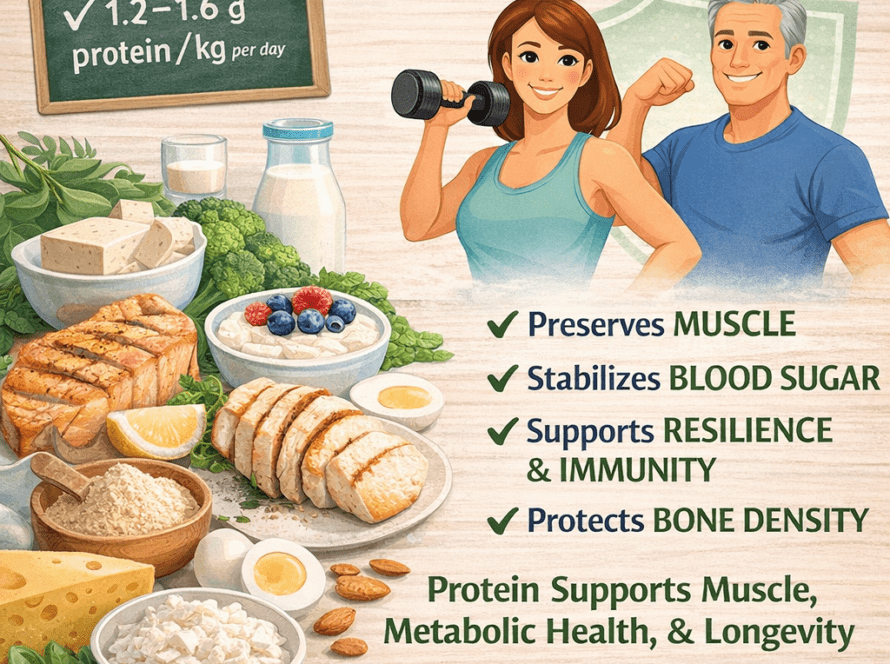
Look after your muscles.
Understand your health through appropriate testing when needed.
These habits may not sound exciting, but they are powerful. They don’t just reduce the risk of disease. They help us remain strong, independent and able to enjoy life for longer.
That is the kind of longevity I believe in.
Not simply adding years to life.
Adding life to years.
So today, I’d like to leave you with one question.
When you make your next meal, go for your next walk or decide whether to look after yourself or put it off until tomorrow, ask yourself this:
Is this helping me build the future I want to live in?
Because longevity isn’t something we find.
It’s something we build.
One choice at a time.
Prevention rather than cure.
Milvia Pili
Functional Nutritional Therapist